| Author |
Message |
 Copper_CrazyMember Copper_CrazyMember
Posts: 78
Joined: 29 Jan 2007
Location: Sarasota, FL
|
|
 Posted: Sat Jul 07, 2007 10:57 pm Posted: Sat Jul 07, 2007 10:57 pm |
 |
|
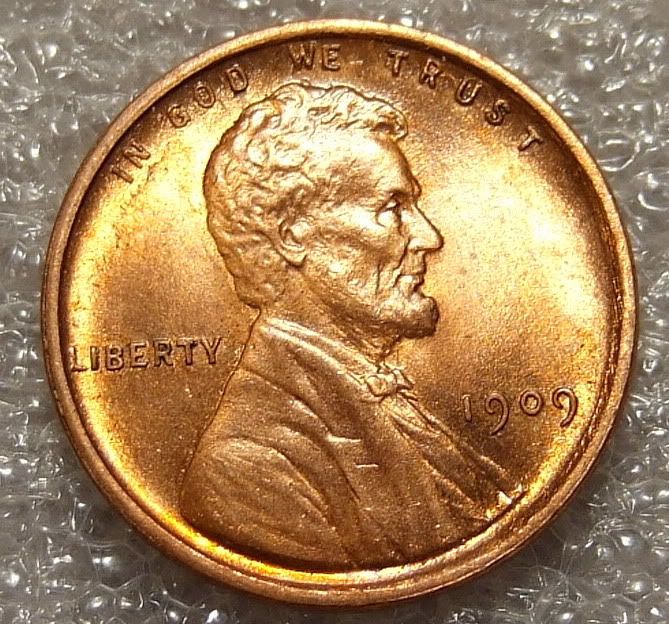
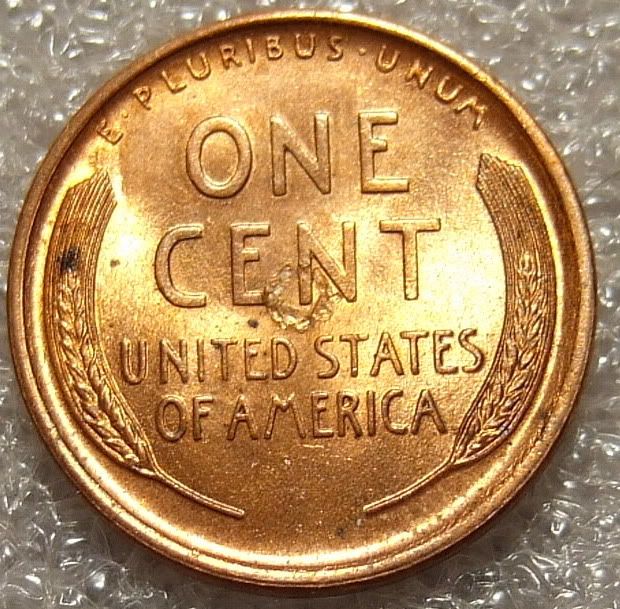
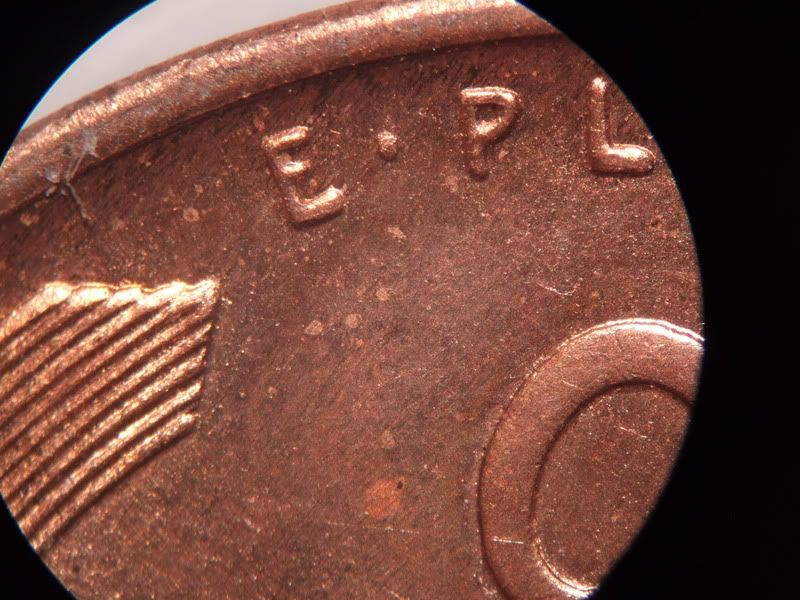
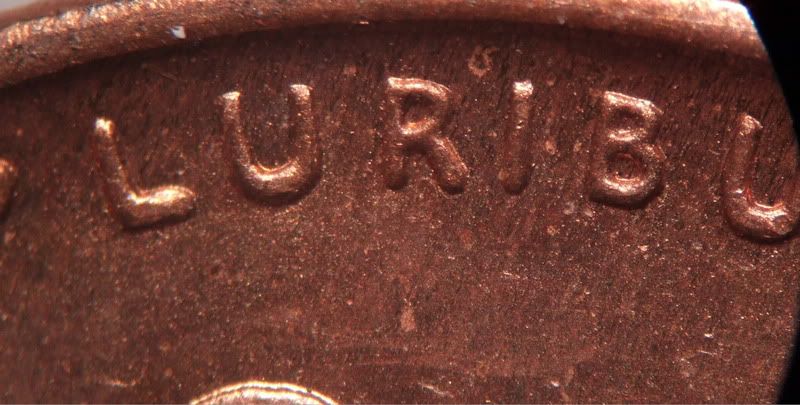
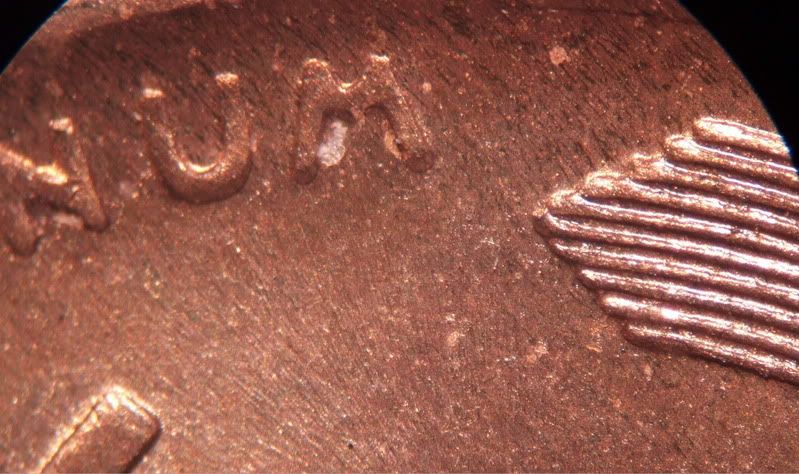
Just found this at a local coin show yesterday. It definately is a Double Die Reverse and shows seperation on the wheats and EPU. I just can't figure out which DDR it is. It does have a nice die clash on the throat from the N of ONE, heavy die scratches along the rim by the right wheat and a die dent at the left wheat tips-- all hard to miss. CONECA mentions the throat die clash for their 1-R-II-C but nothing matches from CC.com or CONECA. Also, has anyone ever seen a circular struck-thur error centered middle of the reverse like this on has?
Last edited by Copper_Crazy on Sun Jul 08, 2007 6:42 pm; edited 1 time in total
|
|
|
|
|
 |
 JRoccoVeteran Member JRoccoVeteran Member
Posts: 418
Joined: 08 Oct 2004
|
|
| Posted: Sun Jul 08, 2007 8:50 am |
|
|
Nice find and a beautiful example also.
Class 6 doubling eludes me for some reason, but I find my best PUP is the elongation of the dot into an oval shape as seen on your excellent example.
_________________
John
|
|
|
|
|
|
Copper_CrazyMember
Posts: 78
Joined: 29 Jan 2007
Location: Sarasota, FL
|
|
| Posted: Thu Jul 19, 2007 5:50 pm |
|
|
|
That too is my primary PUP for the Class 6 DDR's. For Class 2 spread, I always look at the wheat grain tips. There are some strong to extreme spreads on a few that I have found (1935 1DR-002, 1936 1DR-003, 1938 1DR-002 & 1944 S 1DR-004) that show how strong the spread can get. The 1944-S is a good example of strong C2 & C6 spread. On later die state coins, the spread almost looks mushy. Steve
|
|
|
|
|
|
|


